Buy seoshop.eu ?
We are moving the project
seoshop.eu .
Are you interested in purchasing the domain
seoshop.eu ?
domain@kv-gmbh.de · 0541-91531010
Buy seoshop.eu ?
Is there a difference between a rectifier and a bridge rectifier?
Yes, there is a difference between a rectifier and a bridge rectifier. A rectifier is a device that converts alternating current (AC) to direct current (DC) by allowing current to flow in only one direction. A bridge rectifier is a type of rectifier that uses four diodes in a bridge configuration to rectify AC voltage. The main difference is that a bridge rectifier is more efficient and can handle higher currents compared to a simple rectifier. **
What is the difference between a center-tapped rectifier and a bridge rectifier?
A center-tapped rectifier uses a transformer with a center tap on the secondary winding, while a bridge rectifier uses a configuration of diodes to rectify the AC input voltage. The center-tapped rectifier requires a transformer with a center tap, which may be more expensive and bulky, while the bridge rectifier does not require a center-tapped transformer and is more commonly used in practical applications. Additionally, the center-tapped rectifier only uses two diodes, while the bridge rectifier uses four diodes, making it more efficient in terms of voltage drop and power loss. **

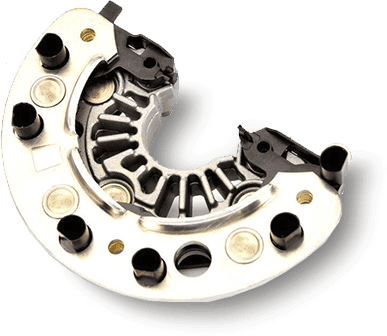
Similar search terms for Rectifier
Top-Angebote
Products related to Rectifier:
-
No Marketing Systems Wood Corner Desk"The corner desk measures 42"" X 28"" X 30"" And Weighs 42 lbs. Arrives with only minimal Assembly required. Comfortably fitting in any home, studio, apartment, and office, The small corner writing desk maximizes space in compact rooms."258,89 $*Shipping: 0,00 $Secure redirect to the provider


-
How does a rectifier work?
A rectifier is an electrical device that converts alternating current (AC) to direct current (DC). It does this by utilizing diodes, which are electronic components that only allow current to flow in one direction. When the AC current passes through the rectifier, the diodes block the negative portion of the wave, allowing only the positive portion to pass through, resulting in a pulsating DC output. This pulsating DC can then be smoothed out using capacitors to create a more stable DC output. **
-
What is the difference between online commerce and retail commerce?
Online commerce refers to the buying and selling of goods and services over the internet, while retail commerce refers to the traditional brick-and-mortar stores where customers can physically visit and make purchases. Online commerce offers the convenience of shopping from anywhere at any time, while retail commerce provides the opportunity for customers to see, touch, and try products before making a purchase. Online commerce often involves lower overhead costs and can reach a wider audience, while retail commerce provides a more personalized and immediate shopping experience. **
-
What is a full-wave rectifier?
A full-wave rectifier is an electronic circuit that converts alternating current (AC) to direct current (DC). It uses two diodes to allow both the positive and negative halves of the AC input signal to flow through, resulting in a more efficient conversion compared to a half-wave rectifier. This type of rectifier is commonly used in power supplies and other electronic devices to provide a steady DC output. **
-
How can one bypass a rectifier?
Bypassing a rectifier involves connecting the AC input directly to the DC output, effectively bypassing the rectification process. This can be done by physically connecting the AC input terminal to the DC output terminal using a wire or jumper. However, bypassing a rectifier is not recommended as it can damage the circuit or device by allowing unregulated AC voltage to pass through the system. It is important to follow proper safety precautions and consult with a professional before attempting to bypass a rectifier. **


When should a rectifier be used?
A rectifier should be used when there is a need to convert alternating current (AC) to direct current (DC). This is commonly required in electronic devices and power supplies that operate on DC power. Rectifiers are essential in ensuring that the correct type of electrical current is supplied to the device, preventing damage or malfunction. They are commonly used in various applications such as battery charging, signal processing, and power transmission. **
How do you connect a rectifier?
To connect a rectifier, you would typically start by identifying the input and output terminals of the rectifier. The input terminals are usually labeled as AC or alternating current, while the output terminals are labeled as DC or direct current. You would then connect the AC input terminals to the power source, such as a transformer or generator, and the DC output terminals to the load or device that requires the rectified DC power. It's important to ensure that the polarity of the connections is correct to avoid damaging the rectifier or the connected devices. Additionally, you may need to use appropriate wiring and connectors to make the connections secure and safe. **
Top-Angebote
Products related to Rectifier:
-
Is there a difference between a rectifier and a bridge rectifier?
Yes, there is a difference between a rectifier and a bridge rectifier. A rectifier is a device that converts alternating current (AC) to direct current (DC) by allowing current to flow in only one direction. A bridge rectifier is a type of rectifier that uses four diodes in a bridge configuration to rectify AC voltage. The main difference is that a bridge rectifier is more efficient and can handle higher currents compared to a simple rectifier. **
-
What is the difference between a center-tapped rectifier and a bridge rectifier?
A center-tapped rectifier uses a transformer with a center tap on the secondary winding, while a bridge rectifier uses a configuration of diodes to rectify the AC input voltage. The center-tapped rectifier requires a transformer with a center tap, which may be more expensive and bulky, while the bridge rectifier does not require a center-tapped transformer and is more commonly used in practical applications. Additionally, the center-tapped rectifier only uses two diodes, while the bridge rectifier uses four diodes, making it more efficient in terms of voltage drop and power loss. **
-
How does a rectifier work?
A rectifier is an electrical device that converts alternating current (AC) to direct current (DC). It does this by utilizing diodes, which are electronic components that only allow current to flow in one direction. When the AC current passes through the rectifier, the diodes block the negative portion of the wave, allowing only the positive portion to pass through, resulting in a pulsating DC output. This pulsating DC can then be smoothed out using capacitors to create a more stable DC output. **
-
What is the difference between online commerce and retail commerce?
Online commerce refers to the buying and selling of goods and services over the internet, while retail commerce refers to the traditional brick-and-mortar stores where customers can physically visit and make purchases. Online commerce offers the convenience of shopping from anywhere at any time, while retail commerce provides the opportunity for customers to see, touch, and try products before making a purchase. Online commerce often involves lower overhead costs and can reach a wider audience, while retail commerce provides a more personalized and immediate shopping experience. **
Similar search terms for Rectifier
-
No Marketing Systems Wood Corner Desk"The corner desk measures 42"" X 28"" X 30"" And Weighs 42 lbs. Arrives with only minimal Assembly required. Comfortably fitting in any home, studio, apartment, and office, The small corner writing desk maximizes space in compact rooms."258,89 $*Shipping: 0,00 $Secure redirect to the provider
-
Penguin The Personal MBA: The bestselling business book containing you everything you need to know about marketing, management and leadershipARE YOU TEMPTED TO GO TO BUSINESS SCHOOL? SAVE YOUR MONEY AND READ THE PERSONAL MBA INSTEAD. This bestselling business classic gives you everything you need to transform your business and your career. An MBA at a top business school is an enormous investment in time and cash. And if you don't want to work for a consulting firm or an investment bank, the chances are it simply isn't worth it. The Personal MBA gives you simple mental models for every subject that's key to commercial success. From the basics of products and marketing to the nuances of teamwork and systems, this book distils everything you need to know to take on the MBA graduates and win.10,99 £*Shipping: 2,99 £Secure redirect to the provider
-
What is a full-wave rectifier?
A full-wave rectifier is an electronic circuit that converts alternating current (AC) to direct current (DC). It uses two diodes to allow both the positive and negative halves of the AC input signal to flow through, resulting in a more efficient conversion compared to a half-wave rectifier. This type of rectifier is commonly used in power supplies and other electronic devices to provide a steady DC output. **
-
How can one bypass a rectifier?
Bypassing a rectifier involves connecting the AC input directly to the DC output, effectively bypassing the rectification process. This can be done by physically connecting the AC input terminal to the DC output terminal using a wire or jumper. However, bypassing a rectifier is not recommended as it can damage the circuit or device by allowing unregulated AC voltage to pass through the system. It is important to follow proper safety precautions and consult with a professional before attempting to bypass a rectifier. **
-
When should a rectifier be used?
A rectifier should be used when there is a need to convert alternating current (AC) to direct current (DC). This is commonly required in electronic devices and power supplies that operate on DC power. Rectifiers are essential in ensuring that the correct type of electrical current is supplied to the device, preventing damage or malfunction. They are commonly used in various applications such as battery charging, signal processing, and power transmission. **
-
How do you connect a rectifier?
To connect a rectifier, you would typically start by identifying the input and output terminals of the rectifier. The input terminals are usually labeled as AC or alternating current, while the output terminals are labeled as DC or direct current. You would then connect the AC input terminals to the power source, such as a transformer or generator, and the DC output terminals to the load or device that requires the rectified DC power. It's important to ensure that the polarity of the connections is correct to avoid damaging the rectifier or the connected devices. Additionally, you may need to use appropriate wiring and connectors to make the connections secure and safe. **
* All prices are inclusive of VAT and, if applicable, plus shipping costs. The offer information is based on the details provided by the respective shop and is updated through automated processes. Real-time updates do not occur, so deviations can occur in individual cases. ** Note: Parts of this content were created by AI.