Buy seoshop.eu ?
We are moving the project
seoshop.eu .
Are you interested in purchasing the domain
seoshop.eu ?
domain@kv-gmbh.de · 0541-91531010
Buy seoshop.eu ?
How can one detoxify microplastics?
One way to detoxify microplastics is through the use of activated charcoal. Activated charcoal has a porous structure that can trap and bind to toxins, including microplastics, and help remove them from the body. Another method is to consume foods and supplements that support the body's natural detoxification processes, such as antioxidants and fiber-rich foods. Additionally, reducing exposure to sources of microplastics, such as single-use plastics and contaminated water, can help prevent further accumulation in the body. **
How can microplastics be made visible?
Microplastics can be made visible through various methods such as using specialized equipment like microscopes or infrared spectroscopy to detect and analyze them. Additionally, researchers can use fluorescent dyes that bind specifically to microplastics, making them easier to see under certain lighting conditions. Another method is filtering water samples and examining the residue left behind, as microplastics will be captured on the filter. Overall, a combination of techniques is often used to effectively visualize and quantify microplastics in different environments. **

Similar search terms for Microplastics
Top-Angebote
Products related to Microplastics:
-
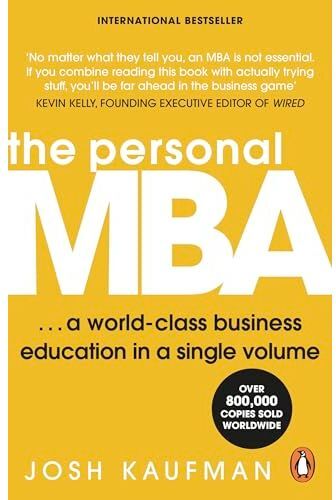
Penguin The Personal MBA: The bestselling business book containing you everything you need to know about marketing, management and leadershipARE YOU TEMPTED TO GO TO BUSINESS SCHOOL? SAVE YOUR MONEY AND READ THE PERSONAL MBA INSTEAD. This bestselling business classic gives you everything you need to transform your business and your career. An MBA at a top business school is an enormous investment in time and cash. And if you don't want to work for a consulting firm or an investment bank, the chances are it simply isn't worth it. The Personal MBA gives you simple mental models for every subject that's key to commercial success. From the basics of products and marketing to the nuances of teamwork and systems, this book distils everything you need to know to take on the MBA graduates and win.10,99 £*Shipping: 2,99 £Secure redirect to the provider
-
Uplift Essentials Elegant Business Digital Wristwatch goldThe Elegant Business Digital Wristwatch is a sophisticated take on the classic electronic timepiece, designed for those who appreciate the precision of a digital display with the refined look of a luxury accessory. Featuring a polished stainless...34,97 $*Shipping: 0,00 $Secure redirect to the provider
-
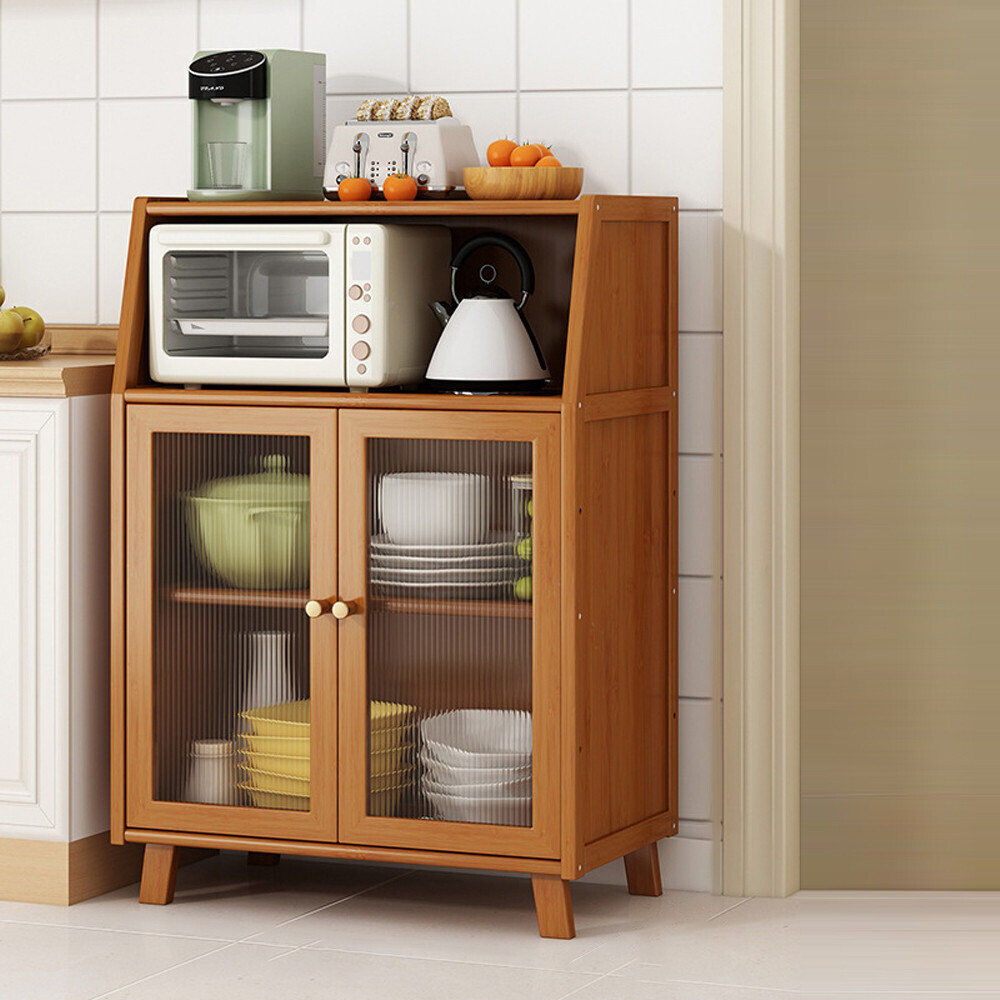
Yunliang e-commerce co., LIMITED Kitchen Pantry Sideboard bamboo Storage Cabinet Standing Storage Shelf 62cm W X 96cm H X 31cm DUpgrade your kitchen organization with this versatile bamboo kitchen storage cabinet, the perfect blend of natural charm and functional design. Crafted from durable, eco-friendly bamboo, this multi-tier cabinet features an open countertop for small appliances like microwaves or coffee makers, plus a spacious enclosed cabinet with two ribbed glass doors for storing dishes, cookware, and pantry essentials. The semi-transparent glass panels let you easily see what’s inside while keeping dust out, and the smooth wooden knobs add a warm, minimalist touch. With its compact footprint and sturdy angled legs, this cabinet fits perfectly in small kitchens, dining areas, or even living rooms, offering both storage and display space to keep your home tidy and stylish. Yunliang e-commerce co., LIMITED59,99 £*Shipping: 0,00 £Secure redirect to the provider

-
How can one make microplastics visible?
Microplastics can be made visible through the use of specialized equipment such as microscopes or infrared cameras. By magnifying the sample, microplastics that are too small to be seen with the naked eye can be identified and counted. Additionally, specific dyes or fluorescent markers can be used to stain the microplastics, making them easier to detect under certain lighting conditions. Sampling techniques such as filtration or sedimentation can also help concentrate microplastics from a larger sample, making them more visible for analysis. **
-
What is in wastewater: microplastics and silicones?
Wastewater can contain microplastics, which are tiny pieces of plastic less than 5mm in size that come from various sources such as personal care products, clothing, and packaging. Silicones are another common component found in wastewater, which are synthetic compounds used in a variety of products like shampoos, conditioners, and cosmetics. Both microplastics and silicones can pose environmental risks as they can accumulate in water bodies, harm aquatic life, and potentially enter the food chain. **
-
What is in the wastewater: microplastics and silicones?
Wastewater can contain microplastics, which are tiny plastic particles that come from a variety of sources such as clothing fibers, packaging materials, and personal care products. These microplastics can enter the wastewater system through activities like washing clothes or using personal care products. Additionally, silicones, which are synthetic polymers often used in personal care products and industrial processes, can also be found in wastewater. Both microplastics and silicones can pose environmental and health risks, making it important to address their presence in wastewater treatment processes. **
-
Do we all have microplastics in our bodies?
Yes, studies have found that microplastics have been detected in human bodies through various means such as in the gut, lungs, and even in placental tissue. These microplastics can enter our bodies through ingestion of contaminated food and water, as well as through inhalation of airborne particles. While the health impacts of microplastics in our bodies are still being studied, it is clear that they are pervasive in the environment and can accumulate in our bodies over time. **
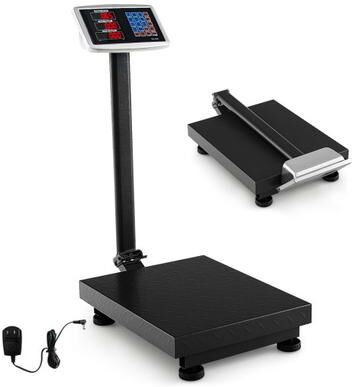
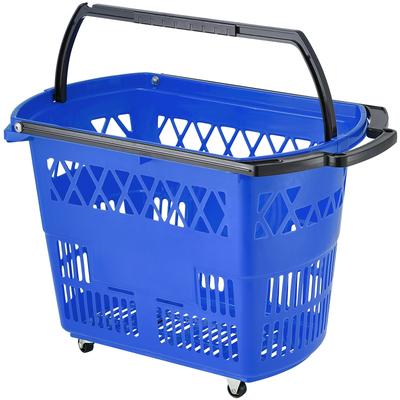
What is the difference between online commerce and retail commerce?
Online commerce refers to the buying and selling of goods and services over the internet, while retail commerce refers to the traditional brick-and-mortar stores where customers can physically visit and make purchases. Online commerce offers the convenience of shopping from anywhere at any time, while retail commerce provides the opportunity for customers to see, touch, and try products before making a purchase. Online commerce often involves lower overhead costs and can reach a wider audience, while retail commerce provides a more personalized and immediate shopping experience. **
What can be done about microplastics in the oceans?
To address the issue of microplastics in the oceans, several measures can be taken. Firstly, reducing the use of single-use plastics and promoting the use of biodegradable alternatives can help prevent the entry of more plastic into the oceans. Additionally, implementing proper waste management and recycling systems can help reduce the amount of plastic waste that ends up in the oceans. Furthermore, conducting clean-up operations and developing technologies to remove existing microplastics from the oceans can also be effective in mitigating the problem. Finally, raising awareness and educating the public about the impact of microplastics on marine ecosystems can help drive individual and collective action to address the issue. **
Top-Angebote
Products related to Microplastics:
-
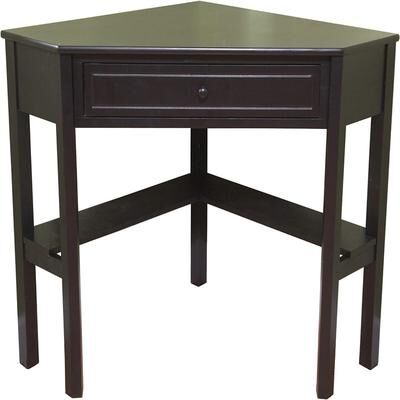
No Marketing Systems Wood Corner Desk"The corner desk measures 42"" X 28"" X 30"" And Weighs 42 lbs. Arrives with only minimal Assembly required. Comfortably fitting in any home, studio, apartment, and office, The small corner writing desk maximizes space in compact rooms."258,89 $*Shipping: 0,00 $Secure redirect to the provider
-
Penguin The Personal MBA: The bestselling business book containing you everything you need to know about marketing, management and leadershipARE YOU TEMPTED TO GO TO BUSINESS SCHOOL? SAVE YOUR MONEY AND READ THE PERSONAL MBA INSTEAD. This bestselling business classic gives you everything you need to transform your business and your career. An MBA at a top business school is an enormous investment in time and cash. And if you don't want to work for a consulting firm or an investment bank, the chances are it simply isn't worth it. The Personal MBA gives you simple mental models for every subject that's key to commercial success. From the basics of products and marketing to the nuances of teamwork and systems, this book distils everything you need to know to take on the MBA graduates and win.10,99 £*Shipping: 2,99 £Secure redirect to the provider
-
How can one detoxify microplastics?
One way to detoxify microplastics is through the use of activated charcoal. Activated charcoal has a porous structure that can trap and bind to toxins, including microplastics, and help remove them from the body. Another method is to consume foods and supplements that support the body's natural detoxification processes, such as antioxidants and fiber-rich foods. Additionally, reducing exposure to sources of microplastics, such as single-use plastics and contaminated water, can help prevent further accumulation in the body. **
-
How can microplastics be made visible?
Microplastics can be made visible through various methods such as using specialized equipment like microscopes or infrared spectroscopy to detect and analyze them. Additionally, researchers can use fluorescent dyes that bind specifically to microplastics, making them easier to see under certain lighting conditions. Another method is filtering water samples and examining the residue left behind, as microplastics will be captured on the filter. Overall, a combination of techniques is often used to effectively visualize and quantify microplastics in different environments. **
-
How can one make microplastics visible?
Microplastics can be made visible through the use of specialized equipment such as microscopes or infrared cameras. By magnifying the sample, microplastics that are too small to be seen with the naked eye can be identified and counted. Additionally, specific dyes or fluorescent markers can be used to stain the microplastics, making them easier to detect under certain lighting conditions. Sampling techniques such as filtration or sedimentation can also help concentrate microplastics from a larger sample, making them more visible for analysis. **
-
What is in wastewater: microplastics and silicones?
Wastewater can contain microplastics, which are tiny pieces of plastic less than 5mm in size that come from various sources such as personal care products, clothing, and packaging. Silicones are another common component found in wastewater, which are synthetic compounds used in a variety of products like shampoos, conditioners, and cosmetics. Both microplastics and silicones can pose environmental risks as they can accumulate in water bodies, harm aquatic life, and potentially enter the food chain. **
Similar search terms for Microplastics
-
Uplift Essentials Elegant Business Digital Wristwatch goldThe Elegant Business Digital Wristwatch is a sophisticated take on the classic electronic timepiece, designed for those who appreciate the precision of a digital display with the refined look of a luxury accessory. Featuring a polished stainless...34,97 $*Shipping: 0,00 $Secure redirect to the provider
-
Yunliang e-commerce co., LIMITED Kitchen Pantry Sideboard bamboo Storage Cabinet Standing Storage Shelf 62cm W X 96cm H X 31cm DUpgrade your kitchen organization with this versatile bamboo kitchen storage cabinet, the perfect blend of natural charm and functional design. Crafted from durable, eco-friendly bamboo, this multi-tier cabinet features an open countertop for small appliances like microwaves or coffee makers, plus a spacious enclosed cabinet with two ribbed glass doors for storing dishes, cookware, and pantry essentials. The semi-transparent glass panels let you easily see what’s inside while keeping dust out, and the smooth wooden knobs add a warm, minimalist touch. With its compact footprint and sturdy angled legs, this cabinet fits perfectly in small kitchens, dining areas, or even living rooms, offering both storage and display space to keep your home tidy and stylish. Yunliang e-commerce co., LIMITED59,99 £*Shipping: 0,00 £Secure redirect to the provider
-
What is in the wastewater: microplastics and silicones?
Wastewater can contain microplastics, which are tiny plastic particles that come from a variety of sources such as clothing fibers, packaging materials, and personal care products. These microplastics can enter the wastewater system through activities like washing clothes or using personal care products. Additionally, silicones, which are synthetic polymers often used in personal care products and industrial processes, can also be found in wastewater. Both microplastics and silicones can pose environmental and health risks, making it important to address their presence in wastewater treatment processes. **
-
Do we all have microplastics in our bodies?
Yes, studies have found that microplastics have been detected in human bodies through various means such as in the gut, lungs, and even in placental tissue. These microplastics can enter our bodies through ingestion of contaminated food and water, as well as through inhalation of airborne particles. While the health impacts of microplastics in our bodies are still being studied, it is clear that they are pervasive in the environment and can accumulate in our bodies over time. **
-
What is the difference between online commerce and retail commerce?
Online commerce refers to the buying and selling of goods and services over the internet, while retail commerce refers to the traditional brick-and-mortar stores where customers can physically visit and make purchases. Online commerce offers the convenience of shopping from anywhere at any time, while retail commerce provides the opportunity for customers to see, touch, and try products before making a purchase. Online commerce often involves lower overhead costs and can reach a wider audience, while retail commerce provides a more personalized and immediate shopping experience. **
-
What can be done about microplastics in the oceans?
To address the issue of microplastics in the oceans, several measures can be taken. Firstly, reducing the use of single-use plastics and promoting the use of biodegradable alternatives can help prevent the entry of more plastic into the oceans. Additionally, implementing proper waste management and recycling systems can help reduce the amount of plastic waste that ends up in the oceans. Furthermore, conducting clean-up operations and developing technologies to remove existing microplastics from the oceans can also be effective in mitigating the problem. Finally, raising awareness and educating the public about the impact of microplastics on marine ecosystems can help drive individual and collective action to address the issue. **
* All prices are inclusive of VAT and, if applicable, plus shipping costs. The offer information is based on the details provided by the respective shop and is updated through automated processes. Real-time updates do not occur, so deviations can occur in individual cases. ** Note: Parts of this content were created by AI.