Buy seoshop.eu ?
We are moving the project
seoshop.eu .
Are you interested in purchasing the domain
seoshop.eu ?
domain@kv-gmbh.de · 0541-91531010
Buy seoshop.eu ?
Is "Grüß Gott" blasphemy?
No, "Grüß Gott" is not blasphemy. It is a common greeting in German-speaking countries, particularly in Austria and Bavaria, and translates to "God bless you" or "Greetings to God." It is a polite and respectful way to greet someone and is not considered blasphemous. **
Is "Grüß Gott" said in Bremen?
"Grüß Gott" is not commonly said in Bremen, as it is a traditional greeting more commonly used in southern Germany and Austria. In Bremen, the typical greeting is "Moin" or "Moin Moin," which is a casual way of saying hello. However, due to the diverse population in Bremen, you may still hear "Grüß Gott" being used by some individuals. **

Similar search terms for Grüß
Top-Angebote
Products related to Grüß:
-
Penguin The Personal MBA: The bestselling business book containing you everything you need to know about marketing, management and leadershipARE YOU TEMPTED TO GO TO BUSINESS SCHOOL? SAVE YOUR MONEY AND READ THE PERSONAL MBA INSTEAD. This bestselling business classic gives you everything you need to transform your business and your career. An MBA at a top business school is an enormous investment in time and cash. And if you don't want to work for a consulting firm or an investment bank, the chances are it simply isn't worth it. The Personal MBA gives you simple mental models for every subject that's key to commercial success. From the basics of products and marketing to the nuances of teamwork and systems, this book distils everything you need to know to take on the MBA graduates and win.10,99 £*Shipping: 2,99 £Secure redirect to the provider
-
E-Living Store DII Commercial Quality Napkin SetComplete your table setting with timeless black or white heavy duty napkin sets. High quality, durable, professional grade polyester fabric will last through ample amounts of washing throughout the years.20,09 $*Shipping: 0,00 $Secure redirect to the provider
-
Uplift Essentials Elegant Business Digital Wristwatch goldThe Elegant Business Digital Wristwatch is a sophisticated take on the classic electronic timepiece, designed for those who appreciate the precision of a digital display with the refined look of a luxury accessory. Featuring a polished stainless...34,97 $*Shipping: 0,00 $Secure redirect to the provider



-
Why do people say "Grüß Gott"?
People say "Grüß Gott" as a traditional greeting in German-speaking countries, especially in Bavaria and Austria. It is a way of wishing someone well and showing respect for their well-being. The phrase is also used as a sign of politeness and friendliness when meeting someone for the first time or entering a room. Additionally, "Grüß Gott" is often used in rural areas as a way of acknowledging the presence of a higher power or showing gratitude for blessings. **
-
Do Bavarian atheists say 'Grüß Gott'?
In Bavaria, it is common for both religious and non-religious people to use the greeting "Grüß Gott," which translates to "Greet God" in English. This traditional greeting is deeply ingrained in the culture of Bavaria and is used as a form of politeness and respect. Therefore, it is not uncommon for Bavarian atheists to use this greeting as a cultural tradition rather than as a religious expression. **
-
Is "Grüß Gott" a Christian greeting?
"Grüß Gott" is a traditional greeting in German-speaking countries, particularly in Bavaria and Austria. While it is often associated with Christianity due to the use of the word "Gott" (God), it is not exclusively a Christian greeting. It is used as a general greeting similar to "hello" and is also used by people of various religious backgrounds and beliefs. Therefore, it is more of a cultural and regional greeting rather than a specifically Christian one. **
-
What is the difference between online commerce and retail commerce?
Online commerce refers to the buying and selling of goods and services over the internet, while retail commerce refers to the traditional brick-and-mortar stores where customers can physically visit and make purchases. Online commerce offers the convenience of shopping from anywhere at any time, while retail commerce provides the opportunity for customers to see, touch, and try products before making a purchase. Online commerce often involves lower overhead costs and can reach a wider audience, while retail commerce provides a more personalized and immediate shopping experience. **

Do you say "Grüß Gott" as a greeting?
Yes, "Grüß Gott" is a common greeting in some German-speaking regions, particularly in Bavaria and Austria. It is a traditional way of saying hello or goodbye, similar to saying "hello" or "good day" in English. The phrase is often used in more rural or traditional settings, while in urban areas, people may opt for more casual greetings. **
Why do people in Bavaria say "Grüß Gott"?
People in Bavaria say "Grüß Gott" as a traditional greeting that reflects the region's strong Catholic influence. "Grüß Gott" translates to "greet God" and is a way of wishing someone God's blessings and protection. It is deeply rooted in the religious and cultural history of Bavaria, and is used as a respectful and friendly greeting in everyday interactions. Saying "Grüß Gott" is a way for people in Bavaria to express their faith and cultural identity. **
Top-Angebote
Products related to Grüß:
-
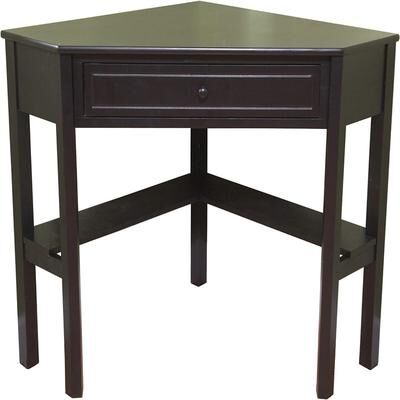
No Marketing Systems Wood Corner Desk"The corner desk measures 42"" X 28"" X 30"" And Weighs 42 lbs. Arrives with only minimal Assembly required. Comfortably fitting in any home, studio, apartment, and office, The small corner writing desk maximizes space in compact rooms."258,89 $*Shipping: 0,00 $Secure redirect to the provider
-
Penguin The Personal MBA: The bestselling business book containing you everything you need to know about marketing, management and leadershipARE YOU TEMPTED TO GO TO BUSINESS SCHOOL? SAVE YOUR MONEY AND READ THE PERSONAL MBA INSTEAD. This bestselling business classic gives you everything you need to transform your business and your career. An MBA at a top business school is an enormous investment in time and cash. And if you don't want to work for a consulting firm or an investment bank, the chances are it simply isn't worth it. The Personal MBA gives you simple mental models for every subject that's key to commercial success. From the basics of products and marketing to the nuances of teamwork and systems, this book distils everything you need to know to take on the MBA graduates and win.10,99 £*Shipping: 2,99 £Secure redirect to the provider
-
E-Living Store DII Commercial Quality Napkin SetComplete your table setting with timeless black or white heavy duty napkin sets. High quality, durable, professional grade polyester fabric will last through ample amounts of washing throughout the years.20,09 $*Shipping: 0,00 $Secure redirect to the provider
-
Is "Grüß Gott" blasphemy?
No, "Grüß Gott" is not blasphemy. It is a common greeting in German-speaking countries, particularly in Austria and Bavaria, and translates to "God bless you" or "Greetings to God." It is a polite and respectful way to greet someone and is not considered blasphemous. **
-
Is "Grüß Gott" said in Bremen?
"Grüß Gott" is not commonly said in Bremen, as it is a traditional greeting more commonly used in southern Germany and Austria. In Bremen, the typical greeting is "Moin" or "Moin Moin," which is a casual way of saying hello. However, due to the diverse population in Bremen, you may still hear "Grüß Gott" being used by some individuals. **
-
Why do people say "Grüß Gott"?
People say "Grüß Gott" as a traditional greeting in German-speaking countries, especially in Bavaria and Austria. It is a way of wishing someone well and showing respect for their well-being. The phrase is also used as a sign of politeness and friendliness when meeting someone for the first time or entering a room. Additionally, "Grüß Gott" is often used in rural areas as a way of acknowledging the presence of a higher power or showing gratitude for blessings. **
-
Do Bavarian atheists say 'Grüß Gott'?
In Bavaria, it is common for both religious and non-religious people to use the greeting "Grüß Gott," which translates to "Greet God" in English. This traditional greeting is deeply ingrained in the culture of Bavaria and is used as a form of politeness and respect. Therefore, it is not uncommon for Bavarian atheists to use this greeting as a cultural tradition rather than as a religious expression. **
Similar search terms for Grüß
-
Uplift Essentials Elegant Business Digital Wristwatch goldThe Elegant Business Digital Wristwatch is a sophisticated take on the classic electronic timepiece, designed for those who appreciate the precision of a digital display with the refined look of a luxury accessory. Featuring a polished stainless...34,97 $*Shipping: 0,00 $Secure redirect to the provider
-
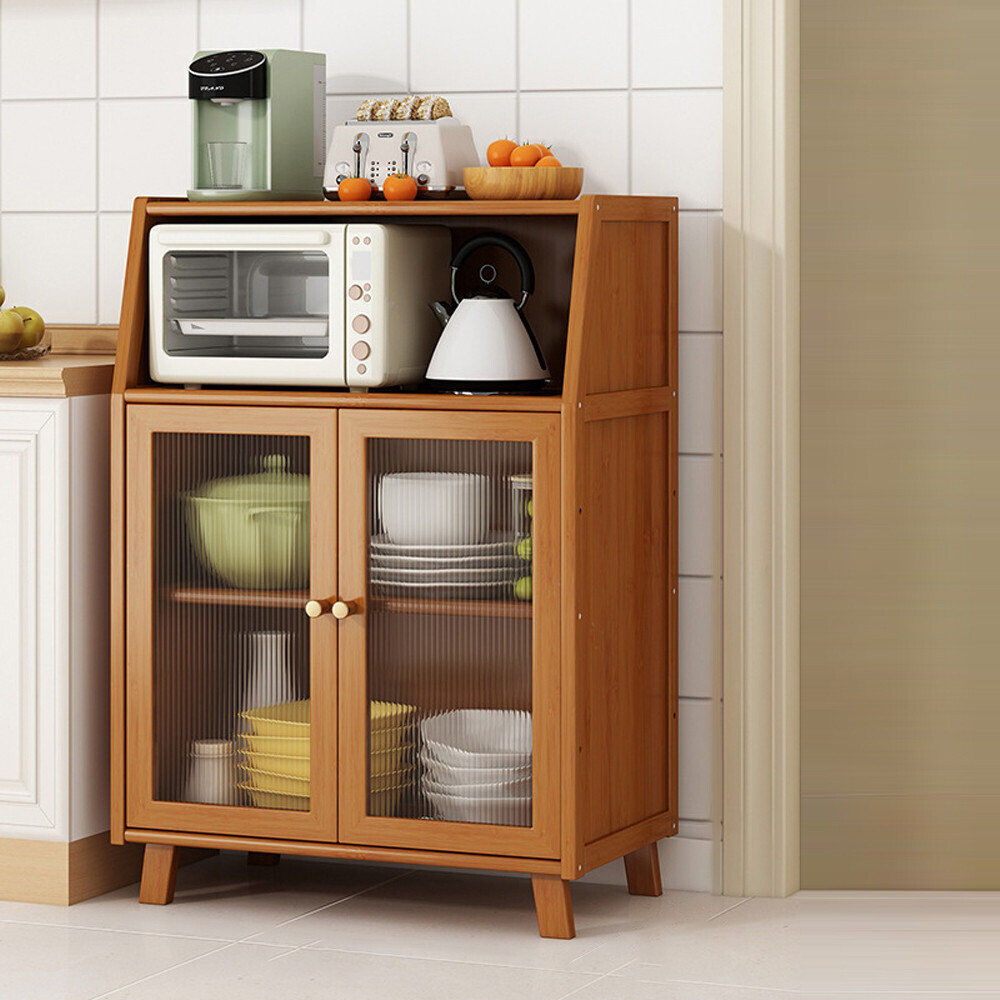
Yunliang e-commerce co., LIMITED Kitchen Pantry Sideboard bamboo Storage Cabinet Standing Storage Shelf 62cm W X 96cm H X 31cm DUpgrade your kitchen organization with this versatile bamboo kitchen storage cabinet, the perfect blend of natural charm and functional design. Crafted from durable, eco-friendly bamboo, this multi-tier cabinet features an open countertop for small appliances like microwaves or coffee makers, plus a spacious enclosed cabinet with two ribbed glass doors for storing dishes, cookware, and pantry essentials. The semi-transparent glass panels let you easily see what’s inside while keeping dust out, and the smooth wooden knobs add a warm, minimalist touch. With its compact footprint and sturdy angled legs, this cabinet fits perfectly in small kitchens, dining areas, or even living rooms, offering both storage and display space to keep your home tidy and stylish. Yunliang e-commerce co., LIMITED59,99 £*Shipping: 0,00 £Secure redirect to the provider
-
Is "Grüß Gott" a Christian greeting?
"Grüß Gott" is a traditional greeting in German-speaking countries, particularly in Bavaria and Austria. While it is often associated with Christianity due to the use of the word "Gott" (God), it is not exclusively a Christian greeting. It is used as a general greeting similar to "hello" and is also used by people of various religious backgrounds and beliefs. Therefore, it is more of a cultural and regional greeting rather than a specifically Christian one. **
-
What is the difference between online commerce and retail commerce?
Online commerce refers to the buying and selling of goods and services over the internet, while retail commerce refers to the traditional brick-and-mortar stores where customers can physically visit and make purchases. Online commerce offers the convenience of shopping from anywhere at any time, while retail commerce provides the opportunity for customers to see, touch, and try products before making a purchase. Online commerce often involves lower overhead costs and can reach a wider audience, while retail commerce provides a more personalized and immediate shopping experience. **
-
Do you say "Grüß Gott" as a greeting?
Yes, "Grüß Gott" is a common greeting in some German-speaking regions, particularly in Bavaria and Austria. It is a traditional way of saying hello or goodbye, similar to saying "hello" or "good day" in English. The phrase is often used in more rural or traditional settings, while in urban areas, people may opt for more casual greetings. **
-
Why do people in Bavaria say "Grüß Gott"?
People in Bavaria say "Grüß Gott" as a traditional greeting that reflects the region's strong Catholic influence. "Grüß Gott" translates to "greet God" and is a way of wishing someone God's blessings and protection. It is deeply rooted in the religious and cultural history of Bavaria, and is used as a respectful and friendly greeting in everyday interactions. Saying "Grüß Gott" is a way for people in Bavaria to express their faith and cultural identity. **
* All prices are inclusive of VAT and, if applicable, plus shipping costs. The offer information is based on the details provided by the respective shop and is updated through automated processes. Real-time updates do not occur, so deviations can occur in individual cases. ** Note: Parts of this content were created by AI.